

Blog details
Stay updated with the latest trends,


October 6, 2025
The Ethical Side of AI Agents: Balancing Automation & Humanity
AI agents are rapidly transforming industries by automating processes, improving efficiency, and reducing costs. But as their influence grows, so does the importance of addressing the ethical challenges they bring. Striking the right balance between automation and humanity is key to building trust and ensuring long-term success.
Why Ethics Matter in AI
AI agents don’t just perform tasks—they influence decisions, shape interactions, and impact human experiences. Without ethical considerations, businesses risk eroding trust, alienating customers, or even creating harmful biases in their workflows.
Key Ethical Considerations
-Transparency – Users should know when they’re interacting with an AI agent and how their data is being used.
-Bias & Fairness – AI systems must be trained to minimize bias and treat all users equally.
-Privacy & Security – Protecting customer data should always be a top priority when deploying AI agents.
-Human Oversight – Automation should assist, not completely replace, human judgment in critical decisions.
Finding the Right Balance
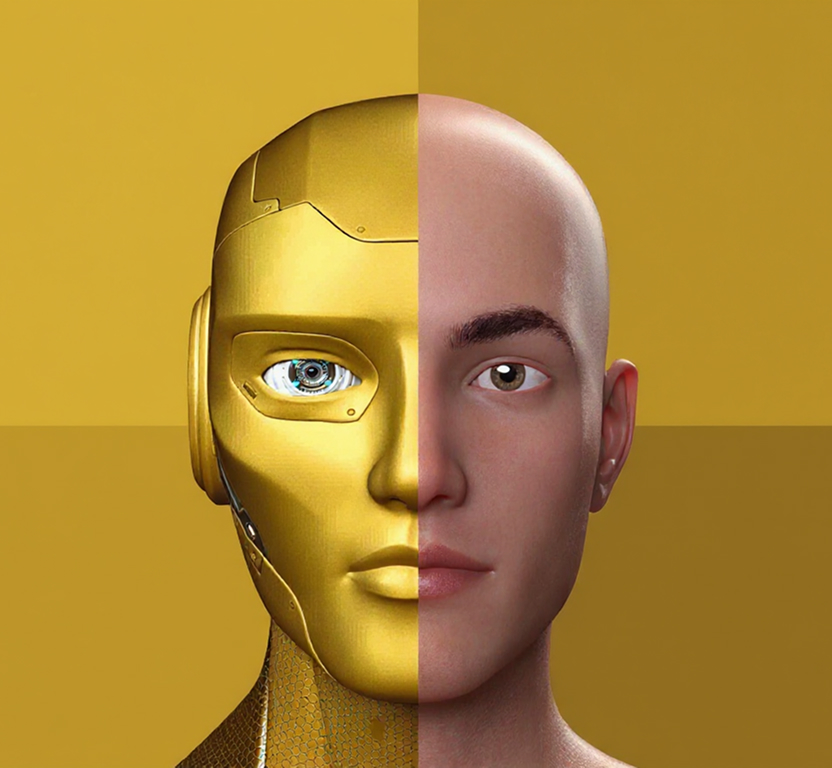
The future of AI isn’t about replacing humans—it’s about collaboration. AI agents should handle repetitive and analytical tasks, while humans focus on empathy, creativity, and complex decision-making. This balance ensures that businesses remain efficient without losing their human touch.
Real-World Applications
-Healthcare: AI assists in diagnostics, but doctors provide care and empathy.
-Customer Service: AI handles FAQs, while humans resolve complex or sensitive issues.
-Hiring & Recruitment: AI screens applicants, but final decisions should include human oversight to avoid bias.
Final Thoughts
As AI agents become more integrated into our lives, businesses must commit to using them responsibly. By focusing on transparency, fairness, and human collaboration, we can unlock the full potential of AI while keeping humanity at the heart of innovation.


Tnar